
Periodontal Disease Care in Niagara
Periodontal disease begins in the gingival sulcus—the soft tissue cuff around each tooth. Healthy gingiva is pink, resilient, and measures 0–3 mm in depth. Attachment fibers connect gums to teeth and bone, so the tissues neither bleed nor hurt when gently probed. During meals, food debris mixes with oral bacteria and saliva proteins, forming plaque and biofilm. Left undisturbed, these deposits mineralize into calculus that can only be removed with professional instruments.
As bacteria accumulate near the gingiva, the body sends immune and healing cells via the circulation. Increased blood flow creates red, enlarged, tender tissues—a reversible condition called gingivitis where attachment fibers remain intact. Continuous exposure to bacterial acids and the immune response can destroy attachment, leading to irreversible periodontitis. Once pockets deepen, patients can no longer remove plaque effectively, and tooth-supporting bone is gradually lost. Smoking further impairs blood flow, reducing the body’s ability to fight infection, and other systemic factors may contribute.
Generalized periodontitis affects every tooth. Teeth may loosen, appear long, or be lost completely. Missing back teeth shift chewing forces to the front, causing them to tip and move. Without proper support, cheeks collapse inward and jaw joints may ache, pop, or click. Periodontal bacteria can also enter the bloodstream through inflamed vessels, contributing to blood clots, inflamed arteries, strokes, heart disease, heart attacks, and poor circulation.
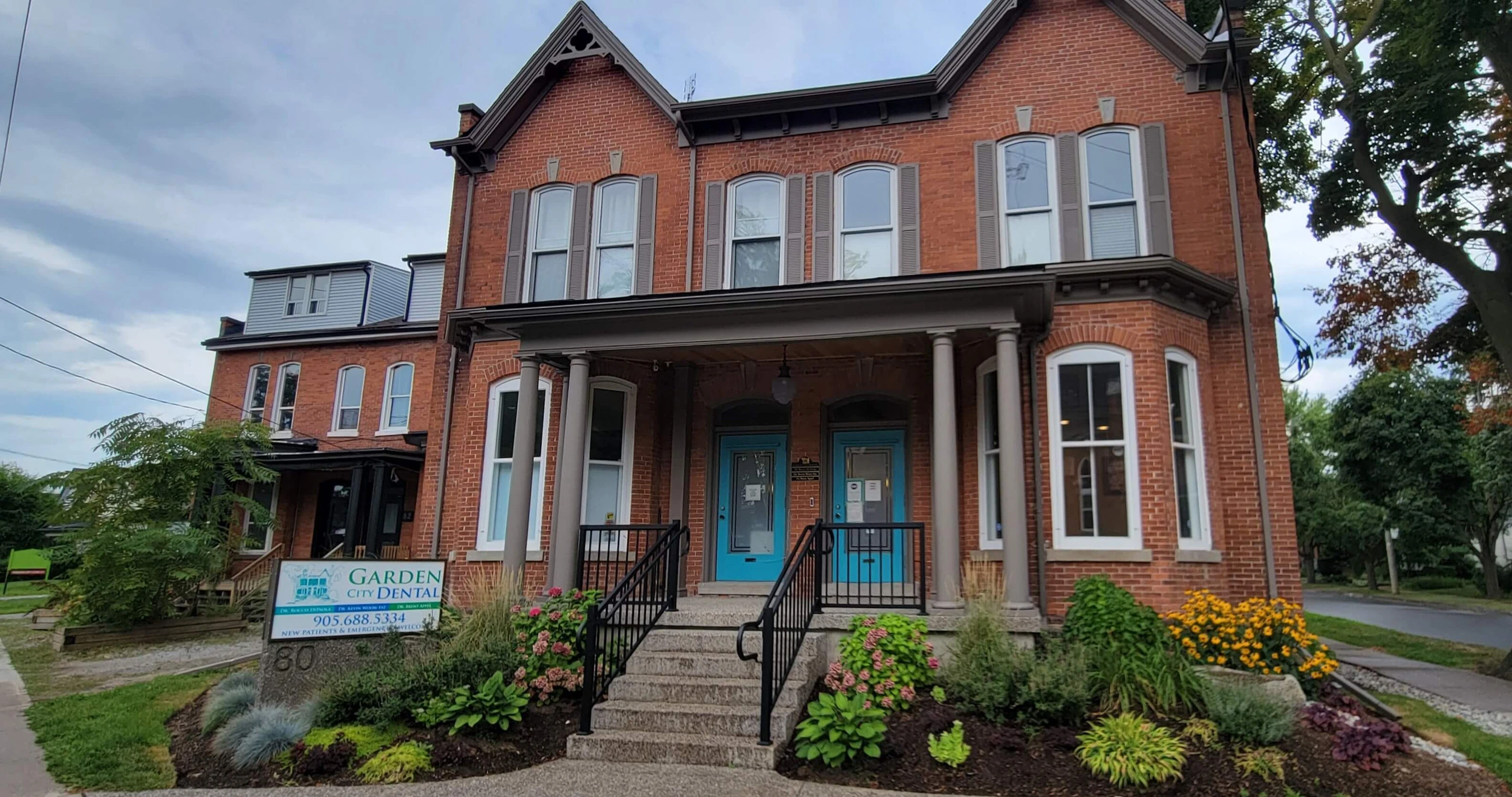
Garden City Dental provides thorough periodontal evaluations, professional scaling and root planing, antimicrobial therapy, and maintenance plans to protect your smile. If you notice bleeding gums, swelling, or shifting teeth, call (905) 688-5334 to schedule a periodontal consultation and safeguard both your oral and overall health.
Frequently Asked Questions
How often do I need periodontal maintenance?
Patients with a history of gum disease typically benefit from maintenance cleanings every three to four months to control bacteria and keep pockets stable.
Can periodontal disease be reversed?
Early gingivitis is reversible with professional cleanings and improved home care. Advanced periodontitis can be managed to prevent further damage, but lost bone requires regenerative procedures.
Does gum therapy hurt?
We use local anesthesia and gentle techniques to keep you comfortable. Post-visit tenderness is usually mild and resolves within a day or two.